Finding Rhythm
Innate rhythmic movement, entrainment, and Kirtan

Hi loves,
It has been a while since I’ve written to you. Things are coming into bloom this spring, and I am sensing the energy of new connections, possibility, and potential. Here are some things I’ve been learning and thinking about recently and applying to my own life and wellness journey.
Innate rhythmic movement
For the past few months I have been diving into neurodevelopmental movement, rhythmic movement, and reflex integration as tools for healing. Sonia Story has a fantastic course for therapists, parents, and anyone interested in the topic! Rhythmic movements are very simple movements that have a powerful impact on your brain development and nervous system.
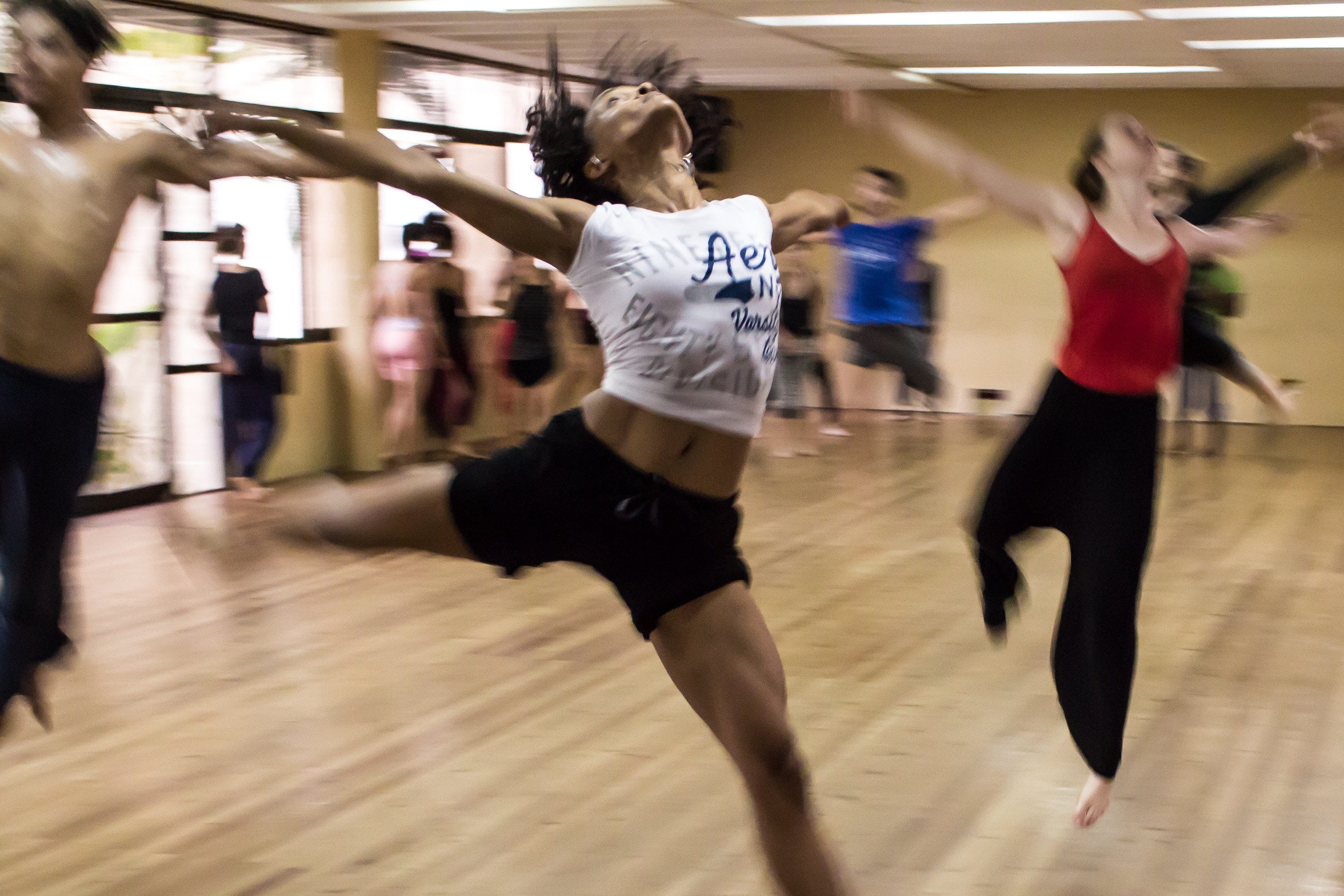
Innately, rhythm is healing. Our bodies seek to be in rhythm through a process called entrainment. Forces of nature seek to be “in sync” with what lies around them. In our bodies, our hearts act as the central “drum beat” which sends signals out to impact our physiology, thoughts, emotions, and other sensations. Experiencing movement that is rhythmical, symmetrical, and smooth provides a foundational sense of safety and allows for connection. Learning about rhythmic movement as a therapeutic modality has made me reflect more on the power of rhythm in general… Dancing with others, chanting om in yoga, or singing together in Kirtan provides an embodied experience of how grounding, organizing, and uplifting being in rhythm with others and within our own bodies can feel.
There are specific rhythmic movement patterns which have a particularly deep impact on the brain because they are “innate” to our human development and naturally occur in infancy. The early development of motor skills supports brain development and impacts later cognitive as well as social-emotional development. Rhythmic movement helps to mature the brainstem and the cerebellum - two areas of the brain critical for muscle tone, breathing, balance, filtering and processing sensory input, coordination, speech, higher reasoning capabilities, visual processing. For this reason, these movements are simple but potent medicine and practicing rhythmic movement can have such wide-ranging positive effects on your health and wellbeing.
Practicing these rhythmic movements has helped me manage fear, stress, and overwhelm over the past few months. I feel a greater sense of embodiment and presence as a result of using them. Bonus is that they are easy to learn and implement into small snippets of your day. Try doing one for 5 minutes while your morning water is boiling for tea.
Communal rhythmic experiences through Kirtan
Since we moved to Carlsbad, we have been taking classes and spending time at an amazing multidisciplinary yoga studio, Yoga On State. Every other Friday, there is a donation-based Kirtan gathering.
Kirtan is an ancient Hindu ritual and practice of call and response chanting. David Neman describes Kirtan as a “a practice for cutting through the idea of separation, for connecting to our hearts and connecting to the moment through sound.”
I first stumbled into a Kirtan gathering at Bhakti Yoga studio in Santa Monica, and was blown away by the dancing, the energy, and the pure joy that was emanating from a packed and somewhat sweaty room of people chanting and dancing. In addition to multiple lead singers, Kirtan involves drumming, hand percussion, and other traditional instruments.
The chants used in Kirtan are in Sanskrit, and at the beginning I didn’t know what any words meant or what we were singing about. I went to Kirtan solo at Bhakti Yoga one time a few years ago and ended up talking with a man in his 60s who had been going for years and years. He asked me how I liked it and I remember saying that it made me feel great, but it felt weirdly spiritual at times, especially since I didn’t know the meaning of anything I was singing.
I remember he said, “Oh yeah, I don’t understand it, and I don’t care to. I just love the live music.”
The experience of the live music, created with other people, is the medicine. The joy that comes from being in Kirtan doesn’t come from cognitively understanding the stories. It comes from an experience in your body that comes alive when you chant the mantras over and over again sitting close to other humans. It comes purely from the vibrations, the tones, the beats, and the harmonizing that we so naturally co-create with others.
How are you experiencing the spring season and what is in bloom for you?
How do you find and create rhythm, within your body or within a group of people?
Hi Kristin! I loved reading this. Does this apply to vibration or shaking movement? I once attended a yoga class that incorporated some full body shaking movement (more rapid than swaying or rocking) and it helped me so much connect with my body and breath in the class.